




A product photograph can do more than confirm appearance. With the right sequence, it can show how a single form belongs to a larger visual system, without pretending to be a specification sheet or repair manual.
The sequence matters. A complete object creates recognition. Context adds questions. A measured view of separated elements reveals relationships. Together, those views give the eye a route from first impression to closer study.
1. Begin with the complete object
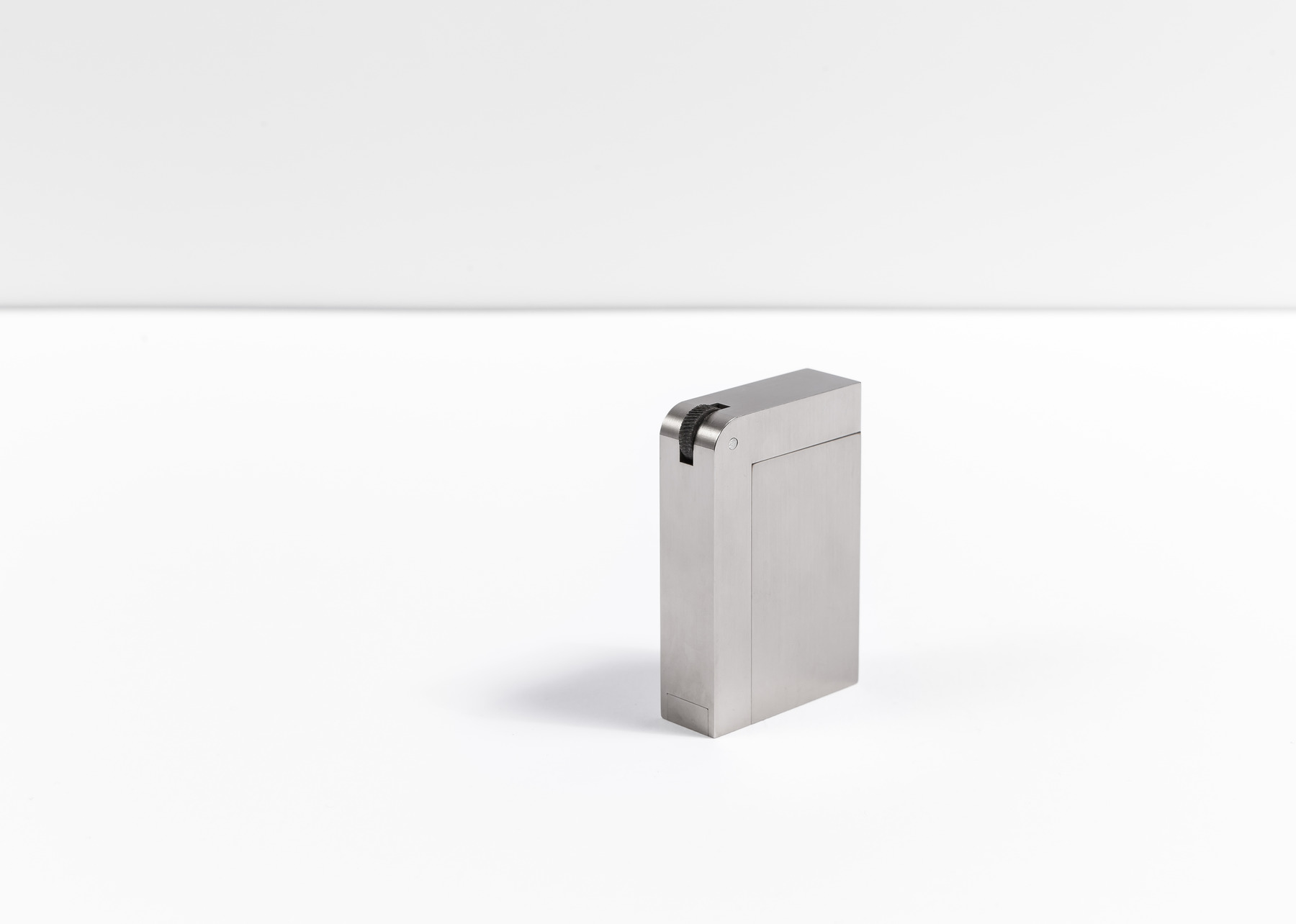
The first image has one job: make the object readable at a glance. A restrained background, a clear orientation, and generous negative space let the silhouette arrive before smaller details compete for attention.
This is useful far beyond a full-size article page. The same visual logic has to survive a search result, a social preview, or a small mobile screen. When the central object remains identifiable at reduced size, the photograph can work as both an introduction and a visual anchor for everything that follows.
Negative space also changes the pace of looking. Instead of asking the viewer to decode a busy arrangement immediately, it creates a brief pause. That pause makes the next image feel like a deliberate expansion rather than a random change of scene.
2. Add context without losing identity
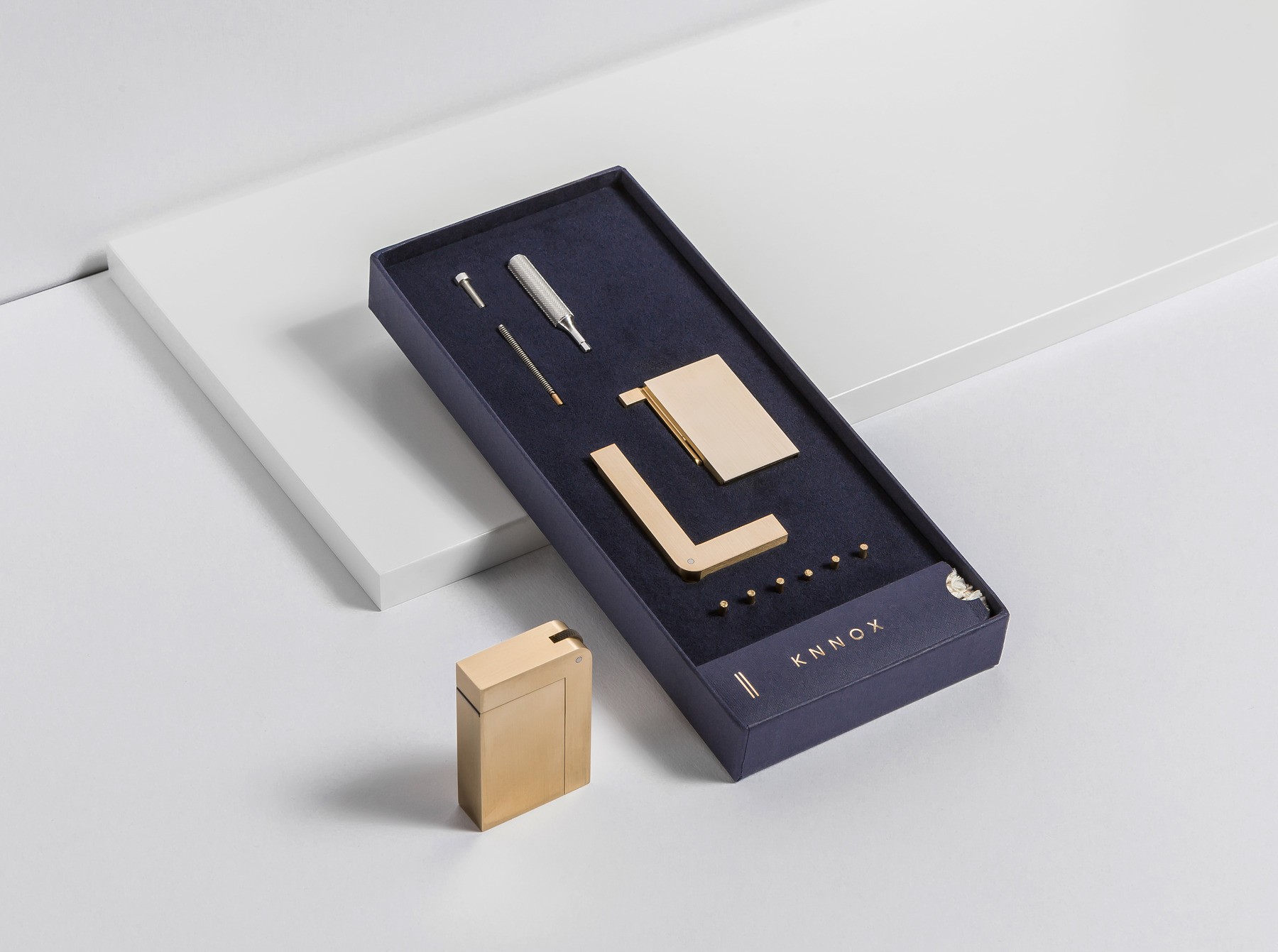
The second view widens the frame. The complete object is still present, but nearby elements create a new layer of visual information. The viewer can compare scale, shape, finish, placement, and repetition without losing sight of the main form.
Good context does not need to answer every question. Its role is to make the relationship between the object and its surroundings legible. Here, the darker field separates smaller forms from the pale studio set, while the upright object remains a clear reference point.
This kind of composition can support curiosity because it offers more to inspect after the first glance. The photograph rewards a slower look, yet the KNNOX identity remains visible instead of becoming background decoration.
3. Separate parts to reveal relationships
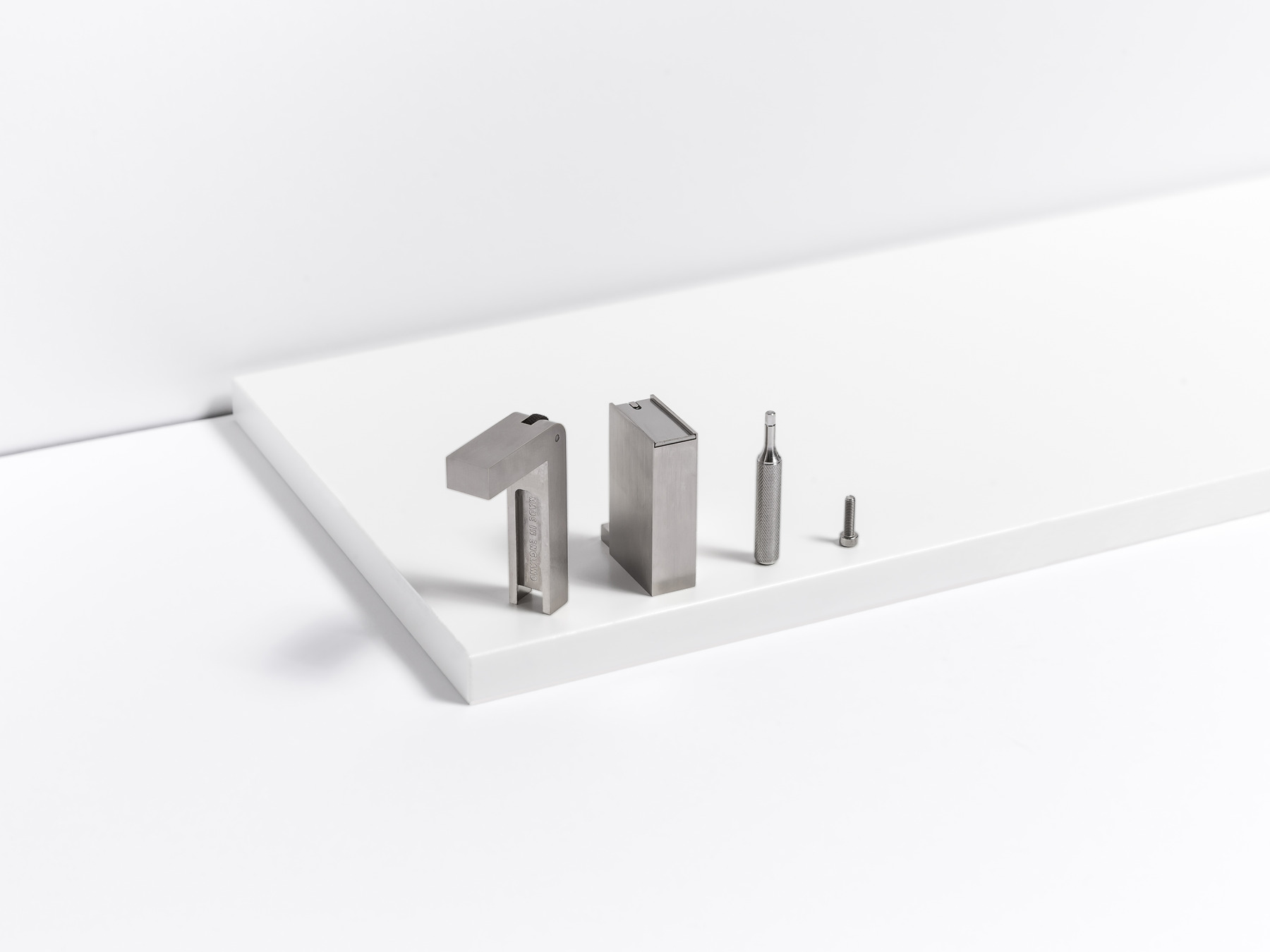
The third photograph turns arrangement into a visual map. Spacing makes each element easier to distinguish, and the left-to-right order gives the eye a simple path through the frame. Similar surfaces and repeated vertical lines connect the pieces even when their shapes differ.
This is not a set of disassembly instructions. It is an object study: a way to see how a complete form can be understood through proportion, adjacency, and repetition. The visible payoff is the shift from one closed silhouette to a group of related forms.
For product storytelling, that progression is stronger than showing three nearly identical angles. Each image contributes a different kind of information. The first establishes identity, the second adds context, and the third reveals a visual system.
4. Keep evidence and interpretation separate
Photography is persuasive because it feels immediate, but a photograph still has limits. It can show visible form, orientation, color relationships, surface appearance, and arrangement in a particular scene. It cannot, by itself, certify exact dimensions, materials, included parts, performance, operation, maintenance, availability, or any other current product fact.
That distinction protects both clarity and trust. Visual analysis should describe what is actually visible. Current product information should confirm anything that affects a purchase or use decision. When those roles stay separate, the imagery can remain expressive without carrying claims it cannot prove.
The strongest product sequence moves from object, to context, to system. It gives the viewer more to understand without asking the photograph to prove what only current product information can confirm.
Explore current KNNOX imagery and information at https://knnox.com/